Revolution on $33,000 a day Part 3 (Ep14)
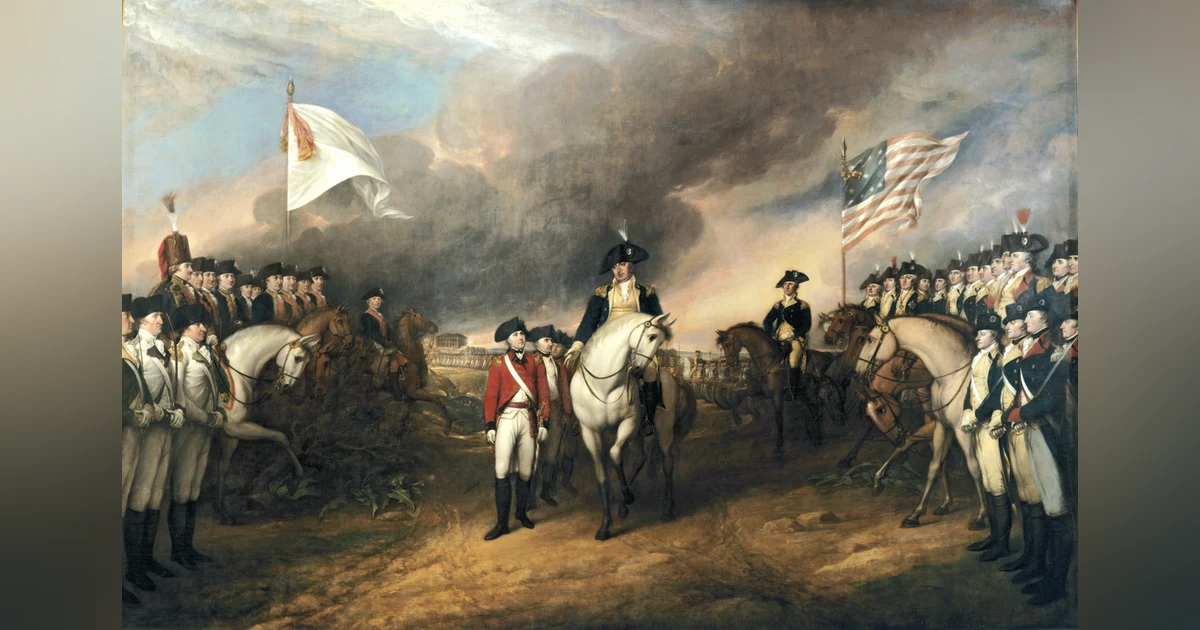


EPISODE 14: REVOLUTION ON $33,000 A DAY, PART 3. This is the concluding episode in our three-part series on the financing and supply logistics of the American Revolution. It begins with financial and monetary crises having hit both the Continental Congress and the Pennsylvania Assembly. The Continental Congress has created the new role of Superintendent of Finance, and named Robert Morris to the position. Morris and his aides made several major reforms. They solved the army’s supply problems through private contracts with private vendors, created the Bank of North America, and pressured the states to fulfill their financial obligations to the Continental Congress. Morris and his aides ensured critical financing for the decisive military victory over the British at Yorktown, and navigated the collapse of the Continental dollar. But the Continental Congress was hamstrung in its efforts because it did not have the power to tax. This led to an over-reliance on the French and other foreign governments for the funding of the war effort, and led to the states and Congress stiffing their creditors, most shamefully the unpaid soldiers of the Continental Army. The demobilization of the army led to a touchy flashpoint in early America – one that could have led to violence and civil war. Congress was threatened by a mob of soldiers, and the Pennsylvania government did nothing to stop them. Congress left Philadelphia. The overall political dysfunction could have upended the whole experiment with federal government in America, but it led to the Constitutional Convention of 1787, and the new constitution that took effect in 1789.
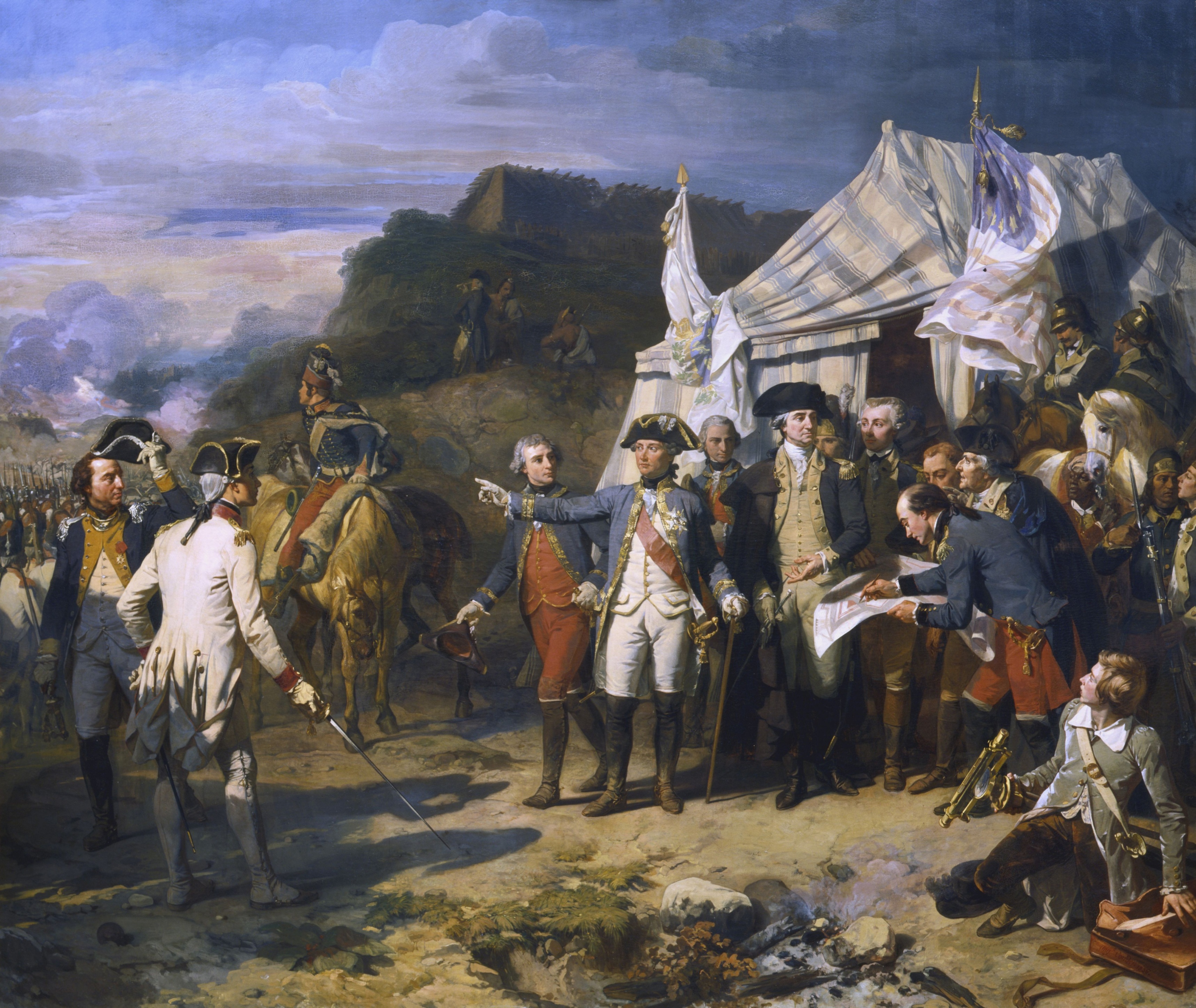
Bataille de Yorktown, Auguste Couder, Bataille de Yorktown (1836). The painting depicts, among others, Rochambeau (center L), Washington (center R), Marquis de La Fayette (behind Washington, L), Marquis de Saint Simon (behind Washington, R), Duke of Lauzun (L, mounted) and Comte de Ménonville (R of Washington).
Timestamps for major events/discussions:
[03:02] – Introducing Joseph Reed
[06:19] – Pennsylvania’s fiscal and monetary crisis of Spring 1781
[08:36] – Robert Morris as the nation’s Superintendent of Finance
[10:55] – Resupplying the army through private contracts with private vendors
[12:37] – Creating the Bank of North America
[15:50] – Pushing the states to fulfill their financial obligations to Congress
[18:45] – Funding the Battle of Yorktown against the British
[25:05] – Morris notes – how Robert Morris leant his personal credit to the Army
[34:10] – Pleading with the French for more funds
[41:14] – Helping Thomas Paine
[48:00] – The McDougall Petition
[53:59] – General Washington’s Newburgh Address
[58:27] – The Pennsylvania Mutiny of 1783
[1:06:11] – The new US Constitution and the Funding Act of 1790
[1:09:16] – Books that inspired this episode
Books to read:
· The Continental Dollar: How the American Revolution was Financed with Paper Money, by Farley Grubb (University of Chicago Press, 2023)
· Robert Morris: Financier of the Revolution, by Charles Rappleye (Simon & Schuster, 2010)
Calls to action:
· Follow us on Instagram to learn when new episodes drop or to be a part of our chat community IG: pennsylmaniapod
· Join our email list to receive news on the podcast by emailing us at producer@pennsylmania.com
· Provide feedback on this episode, or give us ideas for new episodes, by emailing us at producer@pennsylmania.com
· Visit The Museum of the American Revolution in Philadelphia. For more information, click here for the Museum’s website.


