Revolution on $33,000 a day Part 1 (Ep11)
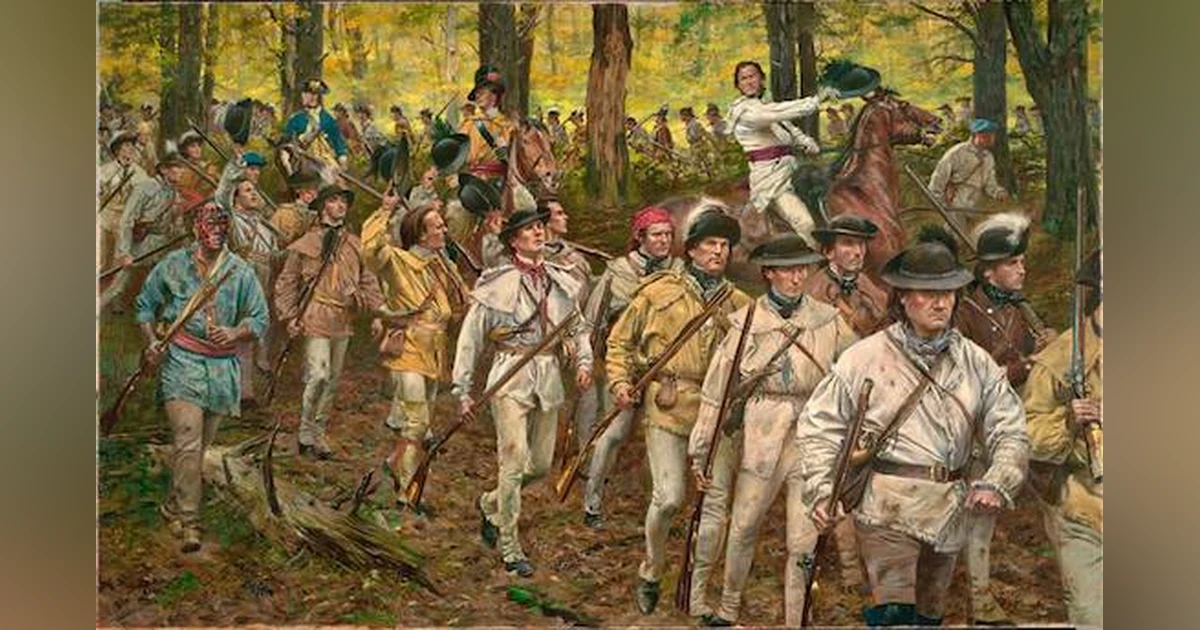


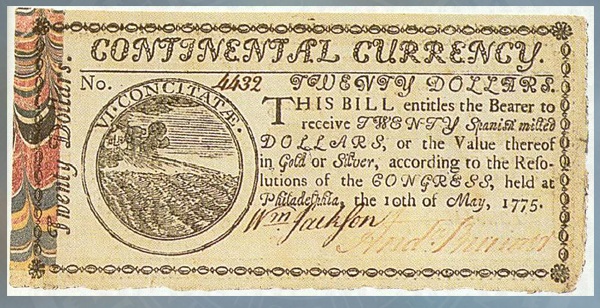
EPISODE 11: REVOLUTION ON $33,000 A DAY, PART 1. The financing and logistics of the American Revolution. In order to get a full picture of the American Revolution, one has to study more than the battles fought by the soldiers and the political ideals of the Founding Fathers. You have to ask, “Who paid for all this stuff and how did it get to where it was needed?” This episode covers the first three years of the War, from 1775 to 1778, when America was a scrappy start-up venture. It illuminates the ways in which the Continental Congress paid for the War. Chief among these are that they printed money, took out foreign loans, and received foreign military aide. But they also employed lesser-known methods, such as government-sanctioned piracy. This episode also explains the far-flung supply network that handled logistics for the Americans, which was essential in receiving and transporting needed supplies, such as gunpowder and arms. It features the man who did more than anyone to fund the War and to get provisions where they were needed: Philadelphia financier Robert Morris. This is the first of a 3-part series that takes us through the end of the War of Independence.
Timestamps for major events/discussions:
[04:25] – Mercantilism explained
[06:46] – The ways in which the Second Continental Congress paid for the war
[08:16] – Introducing the Continental Dollar
[19:37] – Enter Robert Morris
[21:29] – Merchants – the most impressive people of their age
[31:40] – The Pennsylvania Assembly’s Committee of Safety buys gunpowder
[39:29] – Robert Morris becomes a member of the Continental Congress
[42:55] – Morris joins the Secret Committee of Trade
[46:47] – Mysterious Frenchmen arrive in America
[51:57] – Enter Silas Deane
[55:45] – The French playwright Beaumarchais becomes an arms dealer
[1:01:26] – Ben Franklin, the rainmaker of “American Revolution Inc.”
[1:06:28] – Pirates for America
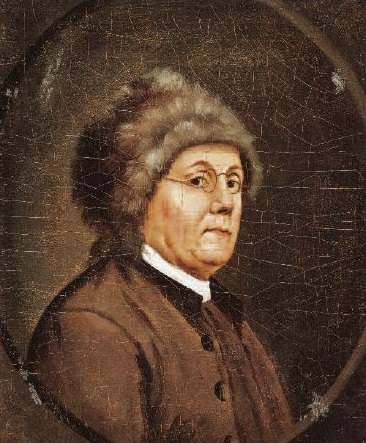
Portrait of Benjamin Franklin, John Trumbull (1778)
Books to read:
Some books relied upon to craft this episode were
· The Continental Dollar: How the American Revolution Was Financed with Paper Money, by Farley Grubb (University of Chicago Press, 2023).
· Robert Morris: Financier of the American Revolution, by Charles Rappleye (Simon & Schuster, 2010)
Calls to action:
· Follow us on Instagram to learn when new episodes drop or to be a part of our chat community IG: pennsylmaniapod
· Join our email list to receive news on the podcast by emailing us at producer@pennsylmania.com
· Provide feedback on this episode, or give us ideas for new episodes, by emailing us at producer@pennsylmania.com
· Visit the Museum of the American Revolution in Philadelphia, which also offers walking tours of the City’s Revolutionary War-related sites. Click here to visit the Museum’s website.
Link to website: www.pennsylmania.com


