Revolution on $33,000 a day Part 2 (Ep12)
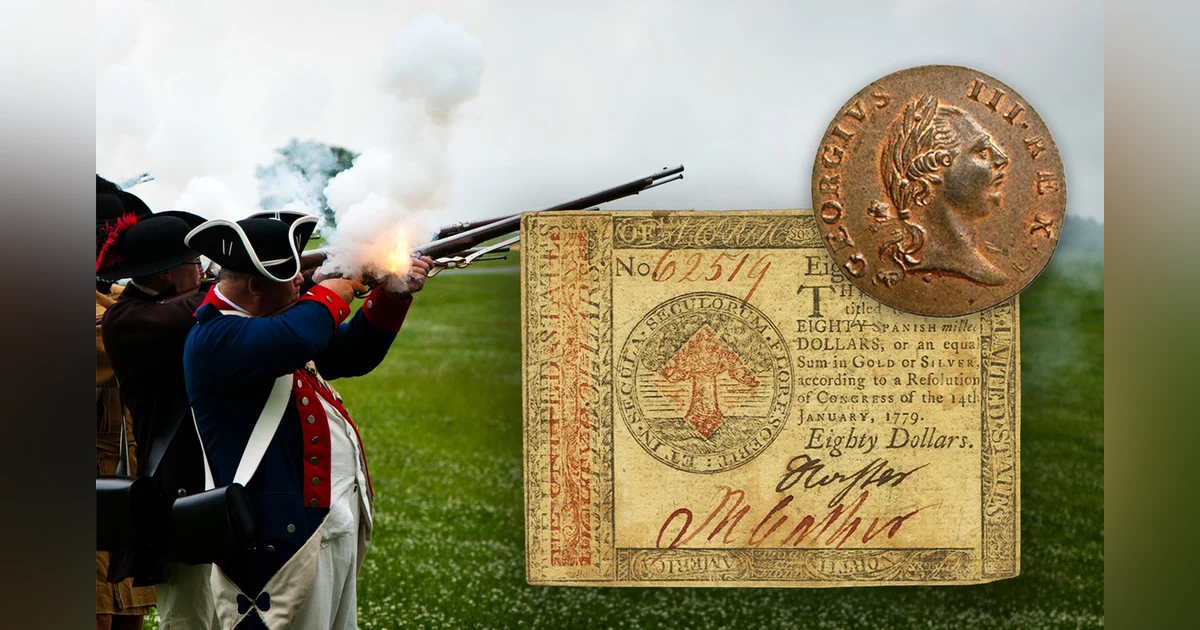


EPISODE 12: REVOLUTION ON $33,000 A DAY, PART 2. This is the second episode in our three-part series on the financing and supply logistics of the American Revolution. In the first episode, we asked, “Who paid for all this stuff, and how did it get to where it was needed?” We described how the Continental Congress funded the war at the start, which it did well enough to enable the military and diplomatic successes of 1777 and 1778. We introduced Philadelphia financier and merchant Robert Morris, one of the richest men in America. Morris played a key role in both the Continental Congress and the Pennsylvania Assembly in administering the war’s supply efforts. Two years into the war, however, the wheels started to fall off, financially, and Robert Morris’ help was even more urgently needed. This episode covers the period from the second half of 1778 to the Spring of 1781, when the Continental dollar and Pennsylvania's currency both depreciated. Congress faced mounting deficits, the populace was burdened by monetary inflation, soldiers went unpaid, and unrest erupted. The Continental Congress responded by creating the role of Superintendent of Finance and named Robert Morris to be the first in that position.
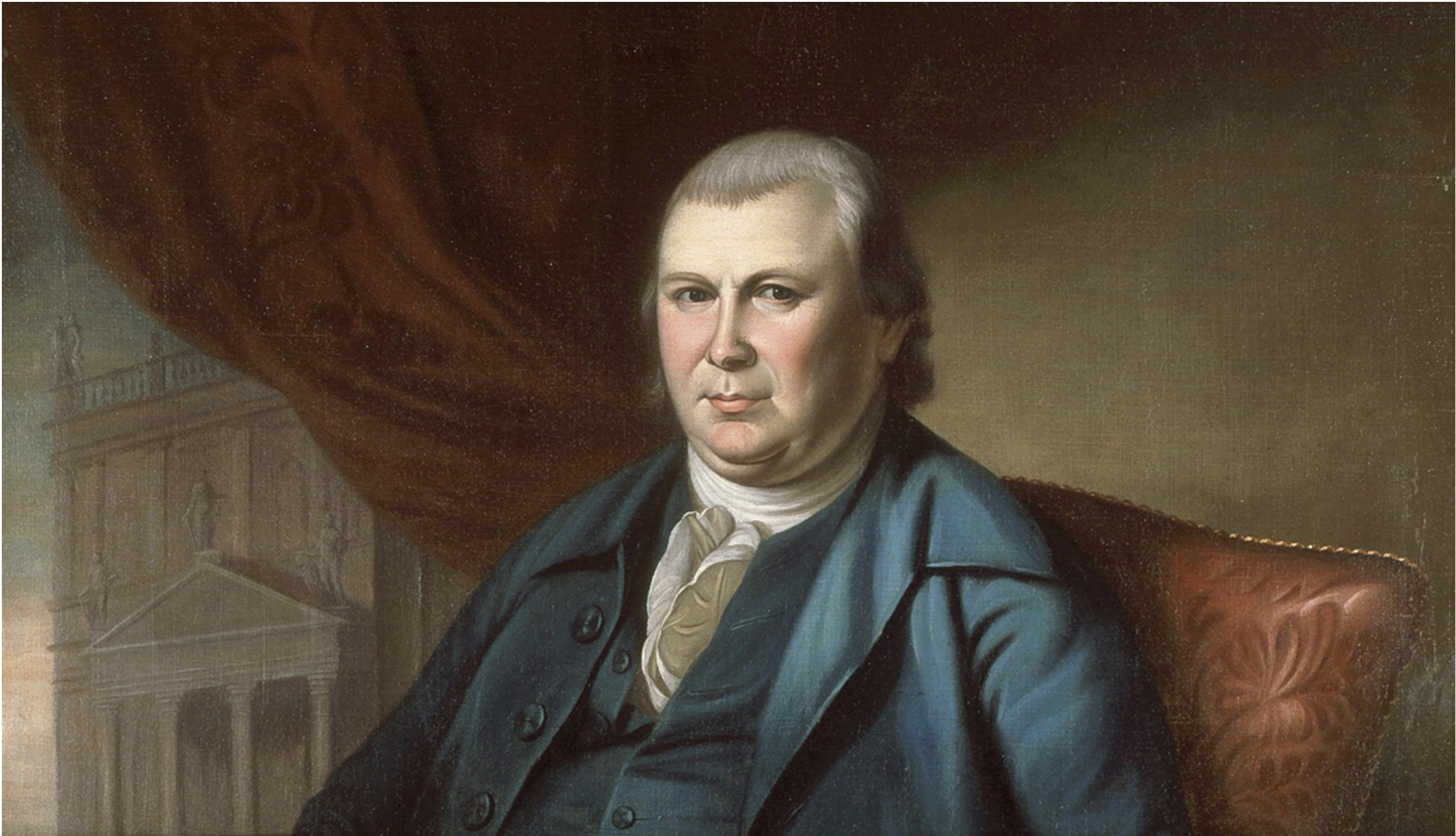
Portrait of Robert Morris, from Life, Charles Willson Peale (c. 1782)
Timestamps for major events/discussions:
[01:45] – Recapping the description of the Continental dollar from the last episode
[04:46] – Introducing Pelatiah Webster
[08:23] – The creation of the committee on “ways and means”
[10:10] – Congress makes the Continental dollar legal tender
[21:08] – The Continental dollar ceases to function as a medium of exchange
[25:14] – Political turmoil in the Continental Congress after the Occupation
[28:04] – Political turmoil in the Pennsylvania Assembly post-occupation
[29:42] – Monetary inflation post-occupation
[33:54] – The Fort Wilson Riot
[40:16] – Spain joins the war against Great Britain
[44:59] – The Pennsylvania Line Mutiny
[47:17] – Congress creates the position of Superintendent of Finance
[51:58] – Robert Morris formally accepts the position of Superintendent of Finance
Books to read:
The Continental Dollar: How the American Revolution was Financed with Paper Money. by Farley Grubb (University of Chicago Press, 2023) ·
Robert Morris: Financier of the Revolution, by Charles Rappleye (Simon & Schuster, 2010)
Calls to action:
· Follow us on Instagram to learn when new episodes drop or to be a part of our chat community IG: pennsylmaniapod
· Join our email list to receive news on the podcast by emailing us at producer@pennsylmania.com
· Provide feedback on this episode, or give us ideas for new episodes, by emailing us at producer@pennsylmania.com Link to website: www.pennsylmania.com
· Visit the Museum of the American Revolution in Philadelphia, which also offers walking tours of the City’s Revolutionary War-related sites. Click here to visit the Museum’s website.


